Cambria Creature Survival Survive Storms, Fires & Sky Events
Weather is a boss fight—bring burrows, not vibes.
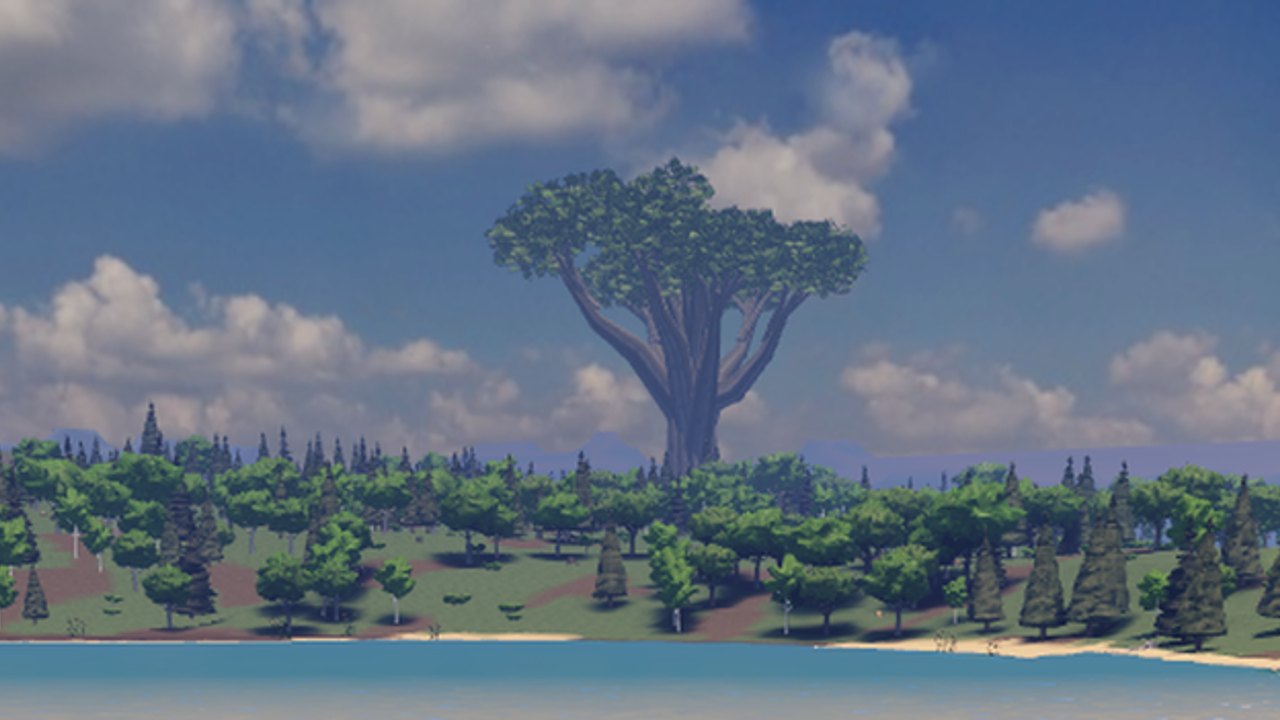
In Cambria - Creature Survival, the sky is part of the food chain. Storms, hurricanes, tornadoes, wildfires, and meteor showers delete Elders who only practiced PvP. This guide teaches a weather operating procedure you can run solo or inside a pack. Pair it with How to Nest if you defend eggs, and with Controls so burrow (H), brace (B), rest (X), and dive (Ctrl) are instant.
Core rule
When the weather shifts, your goal changes. Stop optimizing for the perfect carcass. Optimize for alive in five minutes. Growth resumes after the event; dead meters do not.
Universal prep (do this in sunshine)
- Map (
M) two burrow sites on your food loop. - Know a low-elevation path that does not require perfect flight.
- Keep thirst buffered—evacuations are thirsty work.
- Agree pack signals (roar codes) before the first hurricane of the night.
- Save (
L) after securing a good nest day; early patches restart too (Updates).
Creatures built without a disengage plan fail here—rebuild via Creature Builder if you cannot burrow or brace effectively.
Storms
Storms punish stamina lies and open ridgelines. Visibility drops; ambush kits gain; flyers lose confidence.
Do: move toward cover, smell (Q) more often, shorten hunts, rest when gust logic drains you.
Don’t: start a nest relocation mid-peak unless the current tile is already doomed.
Storms are also raid weather. Expect probes. Door tanks should harden (7) and stomp (6) ready.
Hurricanes
Hurricanes are the “everyone drop the bit” event. Treat warnings as mandatory.
Do: burrow early, cancel vanity flights, pull Hatchlings off exposed shelves. Don’t: try to out-fly the system to clip content. Controlled flyers still land and wait.
If your nest sits on a scenic cliff, hurricanes are why the Players Hub keeps preaching boring tiles.
Tornadoes
Tornadoes are mobile delete zones. Pathing beats bravado.
Do: identify travel direction early with scout callouts; move perpendicular to the path when possible; use pits/burrows as temporary hard cover. Don’t: stand on the nest lip “to watch.” Parents watching tornadoes up close become orphaned eggs.
Speed limbs help reposition; heavy tanks must leave earlier because their travel time is worse.
Wildfires
Fire turns cover into a trap. Dead-end caves that felt safe in storms can become ovens.
Do: prefer nests with two exits; pre-plan a water-adjacent rally; watch wind-driven spread across your map markers. Don’t: wait for the tile to orange before deciding. Early relocate saves clutches.
After fires, food routes change—ash and player traffic shift. Re-smell the loop before assuming old carcass spots still exist.
Meteor showers
Meteors are chaos lighting and impact risk. They also create opportunistic PvP windows when everyone stares up.
Do: keep one eye on approach vectors; brace if impacts land close; use the distraction to drink, not to AFK selfie. Don’t: park eggs on the most open plateau “for the view.”
Pack scouts should call whether the shower is cosmetic-far or impact-near.
Role SOP during events
| Role | Weather job |
|---|---|
| Anchor tank | Hold or deliberately abandon door on lead call; brace/harden |
| Scout flyer | Path calls, then land; no hero flights |
| Hunter | Secure one emergency meal only if meters demand |
| Nest parent | Hatchling accounting; burrow ushering |
| Sense lead | Smell/echo spam; roar meanings |
Detailed rotations live on Packs and Nests.
Solo weather SOP
- Warning → cancel fight → drink if possible → burrow route.
- If burrow contested, secondary site—never argue in chat while the funnel approaches.
- After clear → recount personal nest → short safe meal → only then chase revenge.
Solo players should over-invest in secondary sites; you lack shift coverage.
Kits that weather well
- Hybrids with burrow-friendly hitboxes
- Flyers who actually rest and dive
- Sense-capable bodies that update plans early
Kits that weather poorly: exhibition wings, dead-end fashion nests, stamina-blind speedsters. Check Builds for flexible loadouts.
Traps, hazards, and player-made danger
Weather already pressures pathing; player traps and ambush corridors multiply it. The video on this page is a trap-oriented reference—use it to respect chokepoints and bait patterns, not to grief random Hatchlings for no reason. During storms, assume every funneled valley is a potential hold.
After-action review (two minutes)
- Which burrow saved us?
- Which nest tile almost cooked?
- Who broke roar discipline?
- Did growth meters recover, or do we need a How to Grow reset loop?
What weather is not
- Lag to ignore
- A reason to install godmode scripts (Scripts)
- Something codes will skip—Codes still show no confirmed actives
Drill in calm servers
When a quiet server appears, practice burrow enter/exit, brace timing, and dive-to-rest without a real hurricane. Muscle memory is cheaper than Elder blood.
Return to the Guides Hub for nesting and growth links, or the Links Hub for the full map of the wiki. Cambria’s fantasy is not only building a monster—it is keeping that monster alive when the horizon turns hostile.
Frequently Asked Questions
Quick answers for Cambria Creature Survival players.
What should I press first when weather hits?
Cancel the current fight, check drink, and move to a burrow (H). Use brace (B) if you must take a hit while evacuating. Flyers should dive (Ctrl) and land rather than outfly a hurricane.
Can nests survive every weather event?
No. Bad tiles fail. Choose cover, dual exits, and nearby burrows. Relocate when wildfires or tornado paths make pride expensive.
Do packs help with weather?
Yes—if roles are clear. Scouts call paths, tanks manage doors, parents move Hatchlings. Uncoordinated packs just roar over each other.
Why include a trap video on a weather page?
Storms push players into chokepoints where traps and ambushes thrive. The reference video reinforces respecting funnels during chaotic sky events.
Does weather change after patches?
Intensity and tells can shift during early access. Re-test burrow routes after major boots and watch the Updates Hub.