Cambria Creature Survival How to Nest & Lay Eggs
Turn a fed creature into a defended home before the next storm hits.
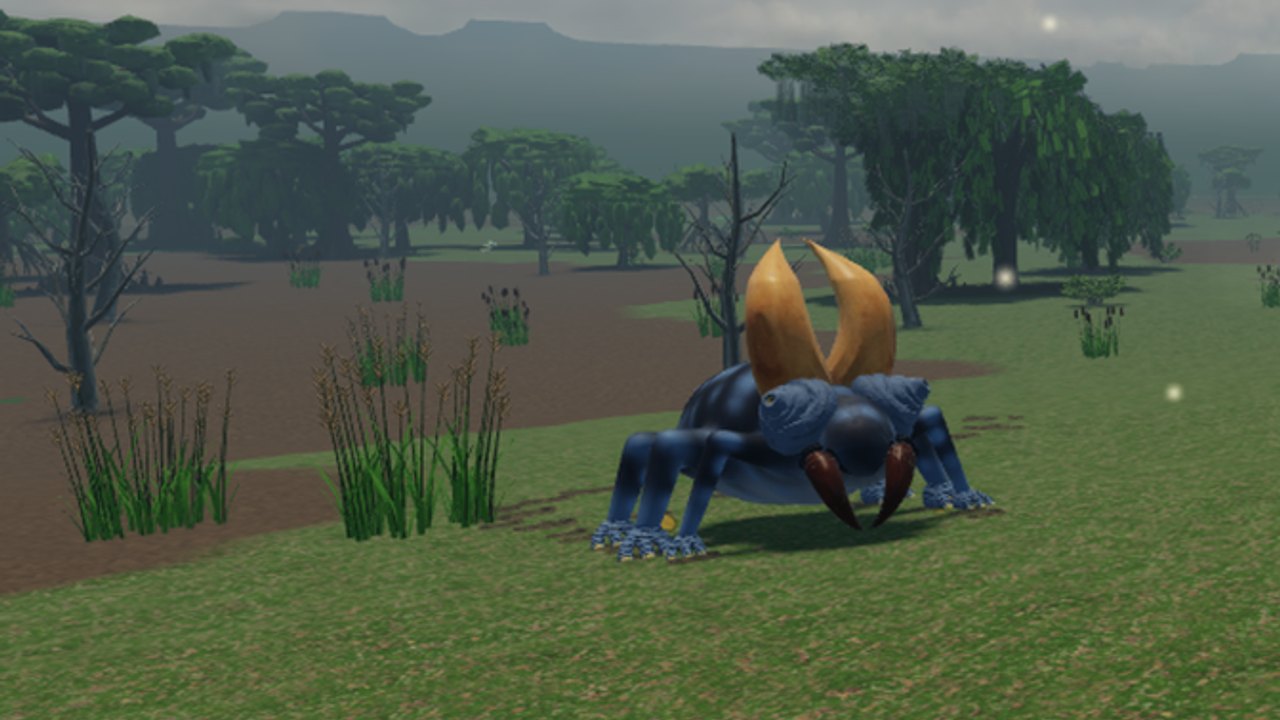
Nesting is how Cambria - Creature Survival turns personal growth into a lineage. You place a nest, lay eggs with the nest controls, and defend Hatchlings while weather and rival packs test your site. This guide covers when to nest, where to place, and how to keep eggs alive. For pack roles and politics, continue to Packs and Nests. For the growth income that funds babysitting, stay honest with How to Grow Fast.
Prerequisites before you press nest
Nesting while starving is how clutches become free XP for strangers. Confirm:
- Stable food and drink routes
- At least one burrow (
H) within sprint distance - Basic combat comfort with
1–5, grab (F), and brace (B) - A plan for storms (see Weather Survival)
- Optional but strongly recommended: a trusted partner from the Players Hub trust ladder
If you are still dying as a Hatchling on open ground, finish Getting Started first.
Nest controls and verbs
On PC, K is the nest / lay egg key listed in the official control set. Pack tools use P. Map (M) helps you judge approach vectors. Exact UI labels can shift after early-access restarts—re-check in-client after patches (Updates). Phone players get the same actions on on-screen buttons.
Practice opening nest mode in a safe area before you commit eggs on a contested cliff.
Choosing a nest tile
Score candidates on five axes:
- Water access — parents drink without abandoning eggs for ages
- Cover — choke points beat scenic overlooks
- Burrow adjacency — weather bailouts matter more than aesthetics
- Scout sightlines — flyers need a clean takeoff; tanks need a door to hold
- Traffic — mid-map tourist traps invite 150-player chaos
Ridge fashion nests look great in clips and die to wind events. Depressions with two exits often outperform “impregnable” dead ends that become ovens during wildfires.
Laying and early care
- Clear hostiles from the immediate tile.
- Place the nest with intentional orientation—know which way is “door.”
- Lay when meters are healthy; do not clutch on empty stomachs.
- Assign a watcher if packed; solos should time lays before calm weather windows.
- Keep smell (
Q) pulsing; raids announce themselves with movement and corpses.
Hatchlings need the same fundamentals you learned earlier: drink, food, rest. Parents who drag newborns into Elder wars are farming content for someone else.
Defense habits that work
- Anchor at the mouth with harden (
7), brace (B), stomp (6) - Deny grabs — practice thrash (
R) and positioning so eggs are not yoink bait - Spit lanes (
8) for approach corridors - Roar (
G) codes with packmates (one roar = weather, two = raid—agree beforehand) - Refuse scripted “help” — see Scripts before letting an executor user stand on your clutch
If the site is burned, relocate. Pride wipes lineages.
Weather and nests
Hurricanes, tornadoes, wildfires, and meteor showers do not care about your egg timer. When warnings hit:
- Pull parents to burrow SOP
- Do not “quick hunt” mid-tornado for one more meal unless the clutch is already doomed
- After the event, recount eggs before chasing revenge fights
Meteor glare and smoke are raid weather for opportunistic packs. Expect probes after big sky events.
Solo nesting vs pack nesting
Solo: smaller clutches, secondary nest site prepared, extreme weather caution, faster abandon decisions. Pack: role coverage (tank/hunter/scout), shared food, louder political risk. Read Packs and Nests for rotations.
Either path still needs a creature kit that matches the job—door tanks are not built like pure flyers. Align with the Tier List and Builds.
Common nesting failures
- Nesting on the first flat rock you see after a single successful hunt
- Broadcasting coordinates in public chat on a full server
- Leaving eggs alone to chase a roar across the map
- Molting on top of the clutch during a raid
- Ignoring thirst until a parent collapses beside healthy eggs
Nesting session checklist
- Food buffer for every parent on duty
- Weather watcher assigned (even if it is you + map glances)
- Burrow path clear of AFK bodies
- Exit plan if a larger pack arrives
- Save (
L) before long real-life breaks—restarts happen
After the clutch graduates
Teach Hatchlings Controls basics, short food loops, and burrow keys before fashion rebuilds. Point them at the Guides Hub instead of throwing them into mid-map PvP as a “tutorial.”
Promo gifts will not babysit for you—Codes remain empty of confirmed actives. Nest skill is a player skill.
Watch the nesting video embedded on this page for a visual pass, then place your first serious nest on a tile you would defend in a storm—not only in sunshine. When the clutch holds through one full weather cycle, you have started playing Cambria’s endgame loop for real.
Frequently Asked Questions
Quick answers for Cambria Creature Survival players.
What key nests or lays eggs on PC?
K is the nest / lay egg control in the official PC set. Confirm in-game after patches in case UI labels shift during early access.
When should I nest for the first time?
When food and drink are stable, you know a burrow, and preferably after one calm weather window. Do not nest as a panic button while starving.
Can I nest solo?
Yes. Keep clutches smaller, prepare a backup site, and prioritize weather bailouts. Packs help but are not mandatory.
How do packs defend eggs better?
Assign an anchor tank, a hunter for food, and a scout for raids and storms. Agree roar meanings. Details are on the Packs and Nests page.
Do nests survive hurricanes automatically?
No. Weather can wipe careless sites. Burrow plans and relocation beat scenic ridge nests. See Weather Survival.