Cambria Creature Survival Creature Builder: Bones, Jaws, Limbs, Wings
Turn the Spore-inspired editor into a loadout that can eat, molt, and survive storms.
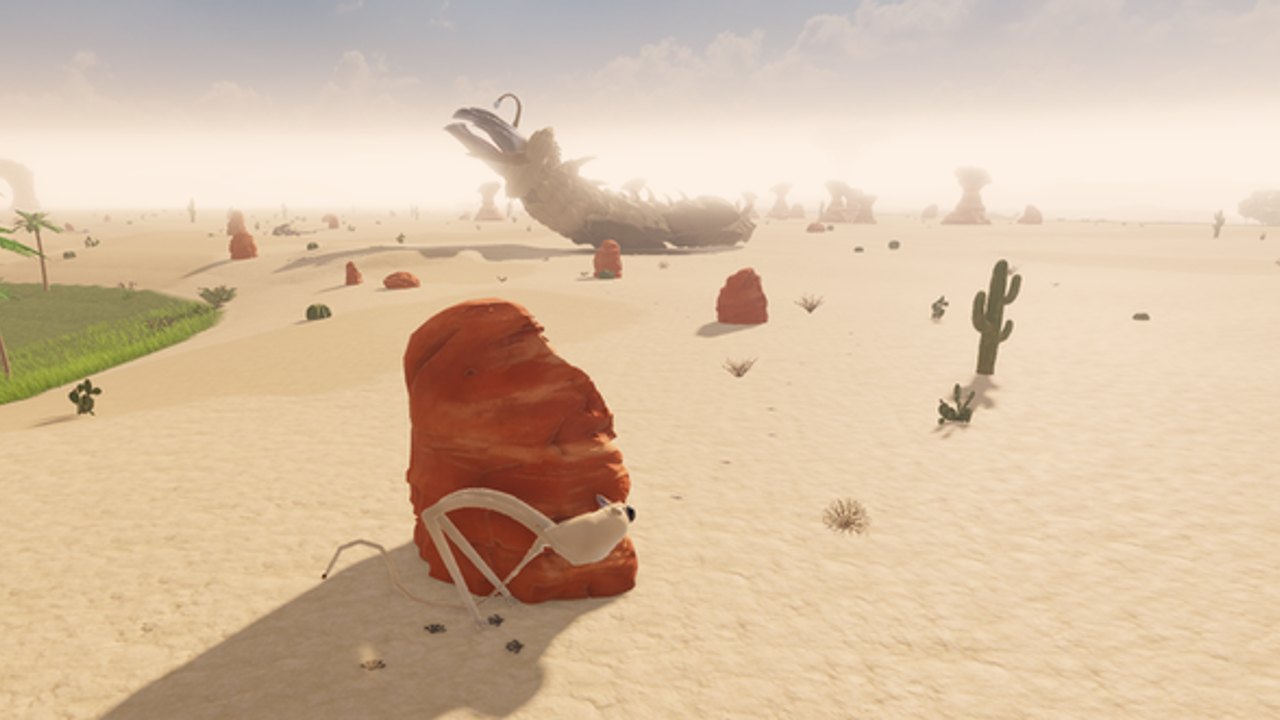
The creature builder is the character select screen of Cambria Creature Survival. Instead of picking a named hero, you assemble bones, jaws, limbs, and wings, hatch that thesis into the world, and let hunger, PvP, packs, and weather grade your homework. This guide explains how to think about parts so your second Hatchling is not another fashion wipe. For ranked playstyles, open the Tier List Hub and detailed Builds after reading.
Builder philosophy
Ask four questions before you finalize:
- How do I secure food and drink in the first fifteen minutes?
- How do I disengage—sprint, burrow, dive, or brace?
- What is my win condition in a fair fight—pressure jaw, spit lane, stomp door, or grab throw?
- Can this body still function when a hurricane deletes sightseeing flights?
If the answer to (1) or (4) is “hope,” rebuild. Cambria’s loop punishes hope builds.
Bones — the frame
Bones set mass, durability fantasy, and how punishing mistakes feel. Heavier frames synergize with harden (7), brace (B), and nest-door duty. Lighter frames synergize with speed limbs and ambush repositioning. Beginners should bias slightly tanky until How to Grow habits exist; glass looks great in showcases and melts on 150-player rivers.
Builder tip: after each bone change, imagine clipping into your favorite burrow (H). Giant parade floats that cannot enter holes fail weather checks.
Jaws — the paycheck
Jaws decide whether hunts fund molts. A beautiful body with a soft nibble starves. Prioritize a jaw that finishes the prey tier you actually fight at your stage. Grab (F), thrash (R), and throw (T) feel different depending on bite identity—test them in safe targets after hatch, not only in the editor preview.
Ambush jaws love crouch (C) approaches. Brawler jaws love stomp (6) follow-ups. Spit (8) kits still need a real bite for commits.
Limbs — the tempo
Limbs are your economy of motion: sprint (Shift), lunge (V), turn rate, and nest chore speed. Speed limbs shine at carcass theft and raid escapes. Slow pillars shine when a pack needs an anchor. Precise move (Z) rewards limbs that can place feet carefully on nest lips.
Common mistake: maximum sprint fashion with no stamina plan. Rest (X) exists because limbs lie about infinite go.
Wings — the optional multiplier
Wings are powerful and dangerous. Controlled flyers scout map changes, relocate nests, and dive (Ctrl) on distracted prey. Reckless flyers donate Elders to storms. If you add wings:
- Budget rest cycles into every travel plan
- Practice dive recovery before ocean crossings
- Keep a ground identity when weather grounds you
- Read Weather Survival before mainlining flight
No wings is valid. Many S-leaning hybrids on the tier list win on ground fundamentals.
Playstyle kits (builder recipes)
Tank-ambush hybrid (recommended starter)
Sturdy bones, decisive jaw, moderate limbs, optional tiny wings or none. Press brace/harden in bad trades; grab to control. Ideal for learning and for nest doors.
Speed skirmisher
Lighter bones, sharp jaw, high limbs, minimal wings. Live on lunge and disengage. Weak in prolonged sieges—bring packmates (Players).
Controlled flyer
Medium frame, reliable jaw, enough limbs to land-fight, real wings. Scout role in packs. Weather literacy mandatory.
Sense support
Balanced mobility with investment in play patterns around smell (Q) and echo (Y). Parts should not prevent quick relocate. Callouts win more than vanity spikes.
Editor workflow that saves hours
- Pick playstyle first, cosmetics last.
- Lock jaw and limbs before spending forever on ridges of bone decor.
- Hatch and run a ten-minute live test: drink, smell, one hunt, one burrow, one rest.
- Note failures; return to builder with evidence, not vibes.
- Only then chase Elder fashion.
Save (L) before experimental rebuilds during patch days.
Synergy with growth and nesting
Builders who ignore molt timing create peak-looking mid stages that cannot feed themselves. Build for the stage you spend the most time in. Parents nesting soon need stamina and door control more than aerial tricks—see How to Nest and Packs and Nests.
Patch awareness
Early Cambria still retunes movement and combat. When Updates mention stamina, flight, or jaw changes, re-test your main kit immediately. Flexible hybrids survive patches better than single-stat memes.
What the builder is not
- A substitute for learning Controls
- A reason to ignore food loops
- A promise that scripts will “fix” a bad kit (Scripts)
- A place to wait for codes—none confirmed active on Codes
Checklist before you hatch
- I can explain my win condition in one sentence
- I know my disengage button plan
- My body fits a burrow fantasy
- My jaw matches my prey plan
- Wings have a rest budget (or I skipped wings)
- I know which tier-list lane I am copying
Open the Guides Hub next for growth and weather, or jump to Builds for concrete loadout notes. The best Cambria creatures look intentional in the editor and inevitable in the food chain.
Frequently Asked Questions
Quick answers for Cambria Creature Survival players.
What parts matter most for a first creature?
A usable jaw and limbs that can sprint and turn, on bones sturdy enough to brace. Skip extreme wing investment until weather and rest habits are solid.
Are wings required?
No. Wings help scouting and relocation, but reckless flight dies to storms. Grounded hybrids are excellent starters and nest defenders.
How do I know if my build is bad?
If you cannot secure food and drink in a short loop, or you cannot burrow/brace in weather, the kit failed—regardless of how cool it looks.
Where are ranked playstyles?
See the Tier List Hub for S–C ranks and the Builds subpage for detailed loadouts and molt breakpoints.
Should I rebuild after every death?
Not every death. Change parts when the same failure repeats—starve, no disengage, weather wipe. Otherwise practice controls and routing first.